-
Time: 9 AM To 5 PM, 5:30 PM To 7:30 PM



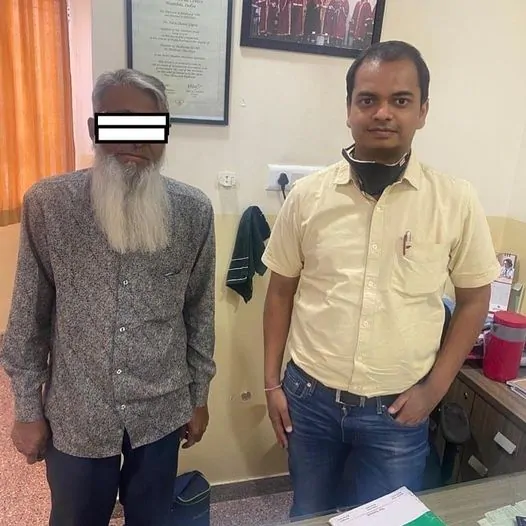
Immunotherapy is the game changer in Oncology
Case Study by – Dr. Tara Chand Gupta (Medical Oncologist in Jaipur) This is among the happiest moments…
Read More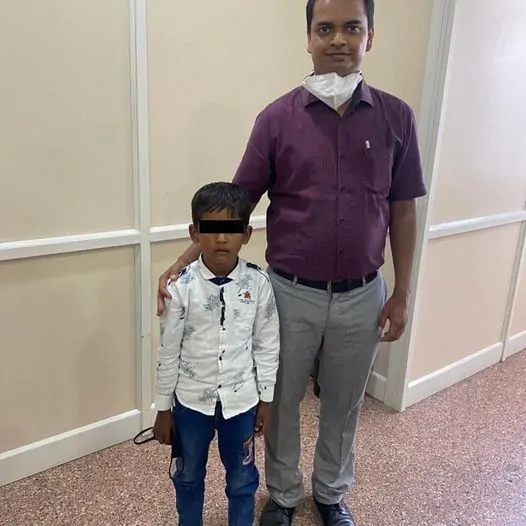
Bone Cancers are curable
Case Study by – Dr. Tara Chand Gupta (Medical Oncologist in Jaipur) Bone cancers (PNET/EWING’s Sarcoma, Osteogenic Sarcoma,…
Read More
Hodgkin Lymphoma
Case Study by – Dr. Tara Chand Gupta (Medical Oncologist in Jaipur) This is among the happiest moments…
Read MoreFAQs
Cancer Treatment Case Study FAQs – Dr. Tara Chand Gupta
These FAQs provide helpful insights into cancer treatment case studies managed by Dr. Tara Chand Gupta. They explain how diagnosis, treatment planning, and recovery differ for each patient. By understanding real case scenarios, patients and families can gain clarity about treatment approaches, timelines, and expected outcomes in a practical and informative way.
A cancer case study is a detailed explanation of a patient’s diagnosis, treatment plan, and recovery journey. It helps others understand how different types of cancer are treated and how outcomes can vary based on individual conditions.
Case studies help patients and families understand real treatment experiences. They provide insights into possible treatment options, timelines, and how patients respond to therapies in real-life situations.
No, cancer treatment is always personalized. The treatment plan depends on factors such as cancer type, stage, overall health, and how the disease responds to therapy.
Case studies may include different cancers such as lymphoma, bone cancer, lung cancer, breast cancer, and other solid or blood-related cancers, depending on patient cases handled by the oncologist.
Most case studies include treatments like chemotherapy, targeted therapy, immunotherapy, surgery, or a combination of these, depending on the patient’s condition.
The duration of cancer treatment varies. Some treatments may last a few months, while others can continue longer depending on the type and stage of cancer.
Remission means that the signs and symptoms of cancer are reduced or no longer visible after treatment. It can be partial or complete depending on the patient’s response.