Dr. Tara Chand Gupta
MD, DM Medical Oncology
Senior Cancer Specialist, Specialised in Chemotherapy, Targeted Therapy and Immunotherapy
Time: 9 AM To 5 PM, 5:30 PM To 7:30 PM




Dr. Tara Chand Gupta
MD, DM Medical Oncology | Bhagwan Mahaveer Hospital & Research Center
Senior Cancer Specialist, Specialised in Chemotherapy, Targeted Therapy and Immunotherapy
A cervical cancer diagnosis can be worrying, but the right treatment can help you manage the condition. Dr. Tara Chand Gupta provides guidance on cervical cancer treatment in Jaipur based on the patient's condition and stage of cancer. From understanding your treatment options to planning the next steps, get the support you need throughout your care. Book a consultation to discuss your treatment.
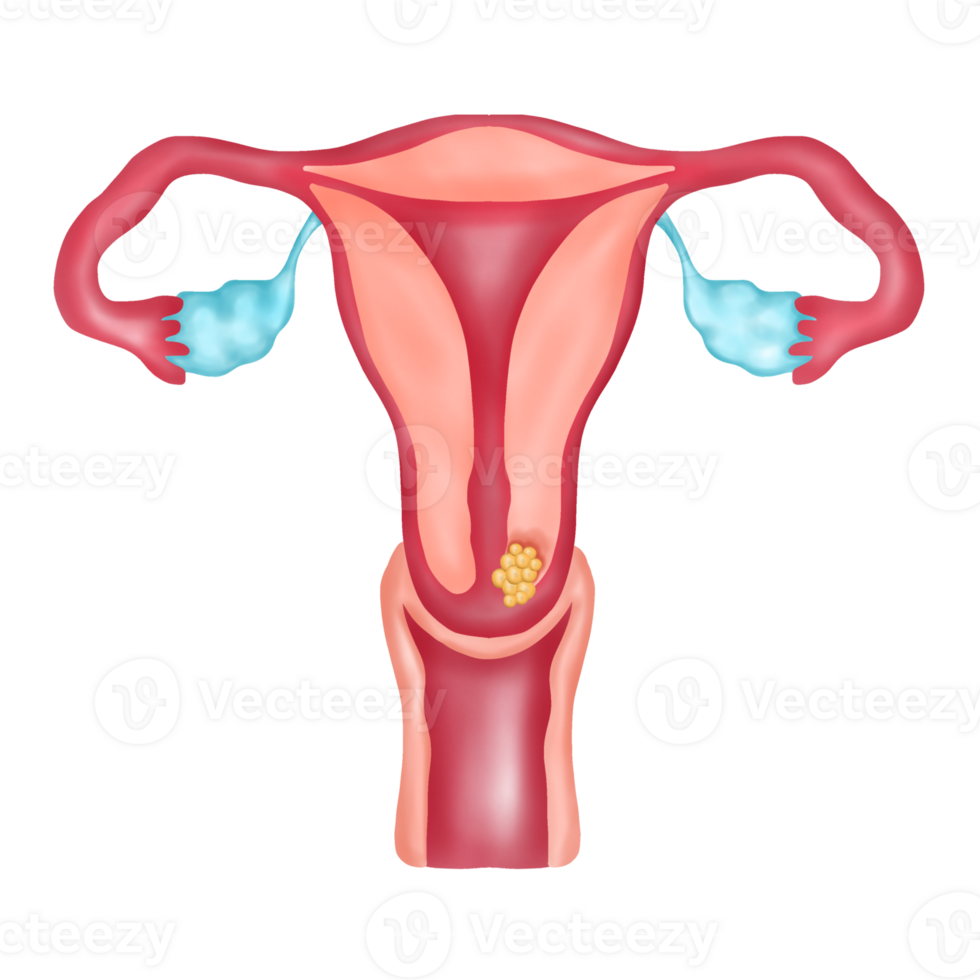

Cervical cancer develops when abnormal cells grow in the cervix, the lower part of the uterus. Most cases are linked to a long-lasting infection with certain types of human papillomavirus (HPV). The condition may not cause noticeable symptoms in its early stages, making regular screening important. Patients seeking Cervix Cancer Treatment in Jaipur can consult a cancer specialist for an accurate diagnosis and a treatment plan based on the stage of cancer and their overall health.
Cervical cancer may not cause noticeable symptoms early on. However, unusual bleeding or persistent pelvic pain should not be ignored. These symptoms can occur due to conditions other than cancer, so proper medical evaluation is important. Dr. Tara Chand Gupta can guide patients on cervical cancer treatment in Jaipur, including diagnosis and suitable treatment options based on their condition. You should consult a doctor if you experience:


Unusual bleeding between periods or after menopause.

Bleeding during or after sexual activity.

Menstrual periods that are heavier or last longer than usual.

Unusual discharge that is watery, has a strong smell, or contains blood.
Cervical cancer treatment can be different for each patient. Dr. Tara Chand Gupta helps patients understand their condition and the treatment options available to them. As a Cancer Specialist in Jaipur, he believes in explaining the treatment process clearly and helping patients make informed decisions about their care.


Specialised in Chemotherapy, Targeted Therapy and Immunotherapy
Trained at Tata Memorial Hospital, now serving patients in Jaipur
Dr. Tara Chand Gupta has over 15 years of experience in treating patients with different types of cancer. He completed his MBBS from SMS Medical College, Jaipur, and MD in General Medicine from SN Medical College, Agra, followed by specialised training in Medical Oncology. His treatment approach includes chemotherapy, targeted therapy, and immunotherapy, depending on the patient’s condition. As an oncologist in Jaipur, he helps patients understand their diagnosis, available treatment options and the care they may need at each stage of treatment.
 More About Doctor

Advanced Therapies

Patients Treated

Years of Experience

Choosing the right doctor for cancer care is an important decision. Dr. Tara Chand Gupta, a cervical cancer doctor in Jaipur, helps patients understand their condition and the treatment options available to them. He focuses on clear communication, treatment based on medical needs, and regular follow-up throughout care.
MD, DM Medical Oncology
Senior Cancer Specialist, Specialised in Chemotherapy, Targeted Therapy and Immunotherapy
Advanced cancer treatment with compassionate care, modern technology and personalised oncology solutions for every patient.
Book Consultation
Cervical cancer is a cancer that begins in the cervix, the lower part of the uterus. It usually arises from a long-term infection with certain types of human papillomavirus (HPV). Sometimes the infection stays in the body for years and causes changes in the cells of the cervix. With time, these changes can result in cancer.
There may be no obvious symptoms of cervical cancer in its early stages. That’s why routine screening tests, such as Pap tests and HPV tests, are important. The HPV vaccine can also protect against the types of HPV that can cause most cervical cancers.
Treatment depends on how far the cancer has spread and the patient’s health. Doctors may treat the disease with surgery, radiation therapy, chemotherapy, or other medicines. Detecting cervical cancer early can make treatment easier and increase the likelihood of a better outcome.

Cervical cancer is mainly divided into two types, depending on the cells where it starts. These are squamous cell carcinoma and adenocarcinoma. Both affect the cervix, but they develop in different types of cells.
In some cases, cervical cancer may contain features of both types. This is known as Adenosquamous carcinoma. The type and stage of cancer help doctors decide which treatment is most suitable. Patients looking for Cervix Cancer Treatment in Jaipur should seek medical advice for an accurate diagnosis and a treatment plan suited to their condition.
Symptoms of Cervical Cancer in Females
Symptoms may not appear in the early stages. As the disease develops, women may notice unusual bleeding, changes in discharge, or pain. The symptoms can vary from person to person, and some women may not experience any noticeable signs at first. Cervical cancer symptoms are
Common Symptoms of Cervical Cancer
Other Possible Symptoms in Females
In more advanced cases, cervical cancer may affect nearby tissues and cause additional symptoms, such as:
These symptoms can also occur due to other health conditions, so having them does not necessarily mean someone has cervical cancer. Hence, it is very important to consult a cancer specialist for cancer treatment in Jaipur for proper evaluation, diagnosis, and guidance for suitable treatment options.
The main cause of cervical cancer is a long-lasting infection with certain types of human papillomavirus (HPV). HPV is very common and usually goes away on its own. However, if the infection stays in the body for years, it can cause changes in the cells of the cervix that may eventually lead to cancer. The causes are:
Other Risk Factors
Having these risk factors does not mean someone will develop cervical cancer. Regular cervical screening can help detect abnormal cells before they turn into cancer, and HPV vaccination helps protect against the types of HPV responsible for most cases.
Cervical cancer has four main stages, depending on how far the cancer has spread. In the early stages, it stays within the cervix. In later stages, it may spread to nearby tissues, lymph nodes, or other organs. Knowing the stage helps the doctor decide on the right treatment. The Various Stages of Cervical Cancer are:
Stage 0: Precancerous Changes
Stage I: Cancer Limited to the Cervix
Stage II: Cancer Has Spread Beyond the Cervix
Stage III: Cancer Has Spread Further
Stage IV: Cancer Has Spread to Other Organs
The stage of cervical cancer and the patient’s overall health help determine the treatment plan. Dr. Tara Chand Gupta provides guidance on Cervical Cancer Treatment in Jaipur, helping patients understand their diagnosis and the treatment options suitable for their condition.
Cervical cancer diagnosis in Jaipur starts with tests that check for abnormal cells in the cervix. If a test shows unusual changes, the doctor may recommend further tests to find out whether cancer is present and whether it has spread.
Screening Tests
Tests to Confirm Cervical Cancer
If the screening results are abnormal, the doctor may examine the cervix more closely and take a tissue sample for testing.
Tests to Check the Spread of Cancer
If the biopsy confirms cervical cancer, the doctor may recommend further tests to find out how far it has spread.
Not every patient needs all these tests. The doctor recommends them based on the test results and the patient’s condition. Dr. Tara Chand Gupta helps patients understand their diagnosis and available options for Cervical Cancer Treatment in Jaipur, so they can make informed decisions about their care.
Cervical cancer treatment depends on the stage of the disease, the patient’s general health and whether they want to have children in the future. Some patients may need surgery, while others may require radiation, medicines or a combination of treatments. The doctor decides the most suitable approach after reviewing the test results.
Surgery: Surgery may be an option when cervical cancer is found at an early stage. The procedure depends on the size of the tumour and how deeply it has grown into nearby tissues.
Radiation Therapy: Radiation therapy uses high-energy rays to destroy cancer cells. It is often used with chemotherapy when cervical cancer has spread beyond the cervix. In some cases, radiation may be recommended on its own.
Chemotherapy: Chemotherapy uses medicines to destroy cancer cells or slow their growth. It is commonly given along with radiation therapy for locally advanced cervical cancer. For advanced or recurrent disease, it may also be used to control cancer and help manage symptoms. The medicines and number of treatment cycles depend on the patient’s condition and how the cancer responds.
Targeted Therapy: Targeted therapy uses medicines that act on specific features of cancer cells or the processes that help them grow. It may be recommended for some patients with advanced or recurrent cervical cancer. The doctor considers the cancer’s characteristics and previous treatments before suggesting this option.
Immunotherapy: Immunotherapy helps the body’s immune system recognise and fight cancer cells. It may be suitable for certain patients with advanced or recurrent cervical cancer. The decision depends on factors such as test results, the stage of cancer, and previous treatment.
Palliative Care: Palliative care focuses on relieving symptoms such as pain, tiredness and discomfort. It also offers support to patients and their families during treatment. It can be provided alongside cancer treatment and is intended to improve comfort and quality of life.
Every patient may need a different treatment plan. Dr. Tara Chand Gupta explains the available options and helps patients understand what may be suitable for their condition. Patients seeking Cervical Cancer Treatment in Jaipur can consult him to discuss their diagnosis, treatment choices, and the next steps in their care.
Cervical cancer treatment depends on how early the cancer is found and whether it has spread beyond the cervix. Dr. Tara Chand Gupta reviews the patient’s reports and explains which treatment options may be suitable for their condition.
A discussion with Dr. Tara Chand Gupta can help patients understand what their diagnosis means and what to expect from treatment. Those seeking a Cervical Cancer Medical Oncologist in India can consult him to discuss their reports, available treatments, and concerns about side effects or recovery.
Dr. Tara Chand Gupta is often in the news and on TV talking about cancer to raise awareness. He talks about early warning signs, why it's important to get tested on time, and new treatment options through his Video Gallery so that people can make smart health choices.
This is among the happiest moments of an oncologist in Jaipur when you are celebrating
the birthday of your patient ( because at the time of diagnosis patient and his family members
come without any hope and in mental distress)
Cancer is the deadliest but we are committed to giving out 100% to get the best results that are
up to the international mark. Because of the patient’s faith, blessings of God, parents, and
teachers, and support of our staff we are achieving our goals.
| Age | Disease | Treatment | Stage | Result |
|---|---|---|---|---|
| 6 Years | Hodgkin Lymphoma | 6 Months | III | Complete Remission |

Jawahar Lal Nehru Marg, Bajaj Nagar, Jaipur, Rajasthan 302017
Time: 9 AM To 5 PM, 5:30 PM To 7:30 PM
Open in Google MapsDr.Tara Chand Gupta sir has vast experience over the years. His treatment is effective and my patient has benefitted from the treatment. He takes great personal care and continuous follow up of the patients. He also sits in Apex Hospital in the morning and in the evening he visits this clinic. My patient had breast and she was cured and there were minimum side effects and she could tolerate the chemotherapy because of his approach in Chemotherapy.I have met many patients there he also has good experience in immunotherapy and targeted therapy.
Dr. Tarachand ji Gupta Sir is a man of wonderful personality. Meeting him has given new hope to life. My heartfelt thanks to you Sir!
Dr. Tara Chand Gupta is highly experienced and knowledgeable in his field. He has been a great support during my treatment. He always motivates his patients and provides the right guidance and direction towards the difficult journey of cancer treatment..
Excellent treatment! Doctor Gupta is quite considerate and empathetic. He remains in touch with his patients and resolves their concerns and issues in no time.Got a sense of satisfaction and feeling of being in safe hands. Avoids unnecessary excessive medication and prescribes only relevant and essential medicines. Quite experienced and updated oncologist from TMH in Jaipur.
I met Dr. Tara chand gupta for treatment of my uncle who is having stage 4 thorat cancer. He listened our problem with full of empathy and explained us about all things including disease, results and treatment. He has knowledge in depth about the cancer. He treated my uncle with immunotherapy fortunately my uncle responded well to the immunotherapy and now he is fine. Thanks Dr. Tara chand gupta for taking care of him. I wish you get more and more success in your career.
Dr. Tara Chand Gupta is frequently highlighted in major
Yes, cervical cancer can become life-threatening if it is not diagnosed and treated in time. However, early detection can make treatment more successful. If you are concerned about your health, seek cervical cancer diagnosis in Jaipur from a qualified specialist. The right treatment plan depends on the stage of cancer and your overall health.
There is no single treatment that works best for every patient. Surgery may be suitable for some early-stage cancers, while other cases may require different treatments. The best approach to Cervical Cancer Treatment in Jaipur depends on the cancer’s stage, its spread, and the patient’s health. A specialist can explain the available options.
Cervical cancer can develop in adult women of different ages, although it is more commonly diagnosed in middle adulthood. Persistent infection with high-risk human papillomavirus (HPV) is the main cause. Regular cervical screening and HPV vaccination can help reduce the risk. Women should follow screening advice appropriate for their age and medical history.
Without appropriate care, cervical cancer may grow and spread to nearby tissues or distant organs. This can make treatment more complicated and affect long-term outcomes. Cervix Cancer Treatment in Jaipur should be planned after proper diagnosis and staging. If you have concerning symptoms or abnormal screening results, do not delay medical evaluation.
The Various Stages of Cervical Cancer describe how far the disease has spread. Stage I is confined to the cervix; Stage II extends beyond it; Stage III involves areas such as the lower vagina, pelvic wall or lymph nodes; and Stage IV reaches nearby organs or distant parts of the body. Each stage has different treatment considerations.
Yes, many cases of Stage 1 cervical cancer can be treated successfully, particularly when the cancer is detected early. Depending on the tumour’s size and other findings, treatment may involve surgery or another suitable approach. The doctor will review the reports and discuss the expected benefits, possible risks and follow-up care before treatment begins.
The Symptoms of Cervical Cancer may include bleeding after sex, bleeding between periods, bleeding after menopause, unusual vaginal discharge or pelvic pain. The symptoms of cervical cancer in female patients can also occur because of conditions other than cancer. If you notice persistent or unusual changes, arrange a medical assessment rather than trying to diagnose the cause yourself.
Survival depends on the stage at diagnosis, the cancer type, overall health and how the disease responds to treatment. People diagnosed at an early stage generally have better outcomes than those whose cancer has spread to distant organs. Survival statistics describe groups of people, so they cannot predict exactly what will happen to an individual patient.
Cervical cancer does not progress at the same speed in everyone. Its growth depends on factors such as the cancer type and how advanced it is when diagnosed. Screening can identify precancerous changes before they develop into cancer. If cancer is confirmed, tests help establish its stage so the medical team can plan appropriate care.
Yes, cervical cancer can return after treatment, although this does not happen to everyone. The likelihood depends on factors such as the original stage, tumour characteristics and response to treatment. Regular follow-up appointments are important, even when treatment has finished. Report new or persistent bleeding, pelvic pain, unusual discharge or other concerning changes to your doctor.
Pregnancy may still be possible for some women, but it depends on the treatment required and whether the uterus can be preserved. Certain procedures may protect fertility in carefully selected cases. If you hope to have children, discuss this before treatment begins. Your medical team can explain suitable options and any risks to future pregnancy.
Treatment duration varies by cancer stage, the treatment selected, and the patient’s response. Some procedures may require a shorter recovery period, while other treatment plans can extend over several weeks or longer. Follow-up continues after treatment ends. Your doctor can provide a more realistic timeline once the diagnosis and treatment plan are clear.
If you are looking for a Cervical Cancer Doctor in Jaipur, you can enquire with Bhagwan Mahaveer Cancer Hospital and Research Centre about an appointment with Dr. Tara Chand Gupta. Carry your biopsy report, scan results and previous medical records. The doctor can review your case and discuss appropriate medical oncology options based on your diagnosis.
The Cervical Cancer Treatment Cost in Jaipur depends on the stage of cancer, the tests required, the recommended treatment, medicines and follow-up needs. Costs can vary considerably between patients because each treatment plan is different. Ask the hospital for a personalised estimate after the diagnosis and proposed care have been reviewed.
To enquire about an appointment with Dr. Tara Chand Gupta, contact Bhagwan Mahaveer Cancer Hospital and Research Centre in Jaipur directly. Ask the hospital to confirm his current consultation schedule and available services. During the appointment, he can review your reports and discuss suitable medical oncology options. Any additional treatment, such as surgery or radiation, should be confirmed with the relevant treating team.