



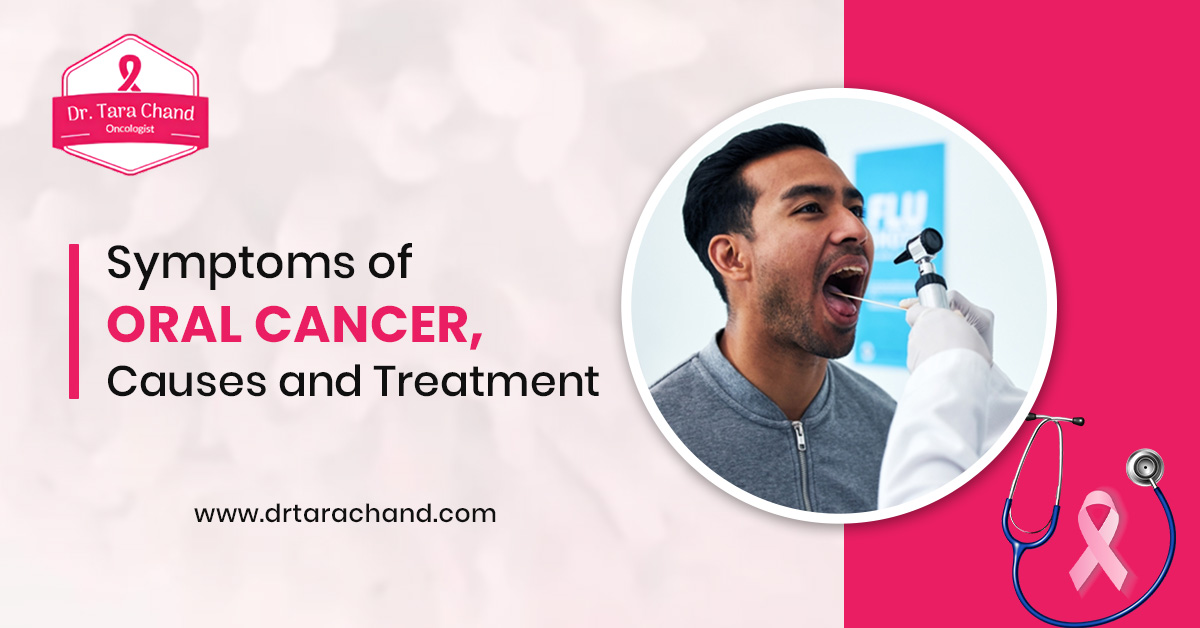
Symptoms of Oral Cancer, Causes and Treatment
Understanding the oral cancer
Oral cancer refers to cancer that develops in the mouth or oral cavity—an area that encompasses the lips, tongue, cheeks, gums, roof or floor of the mouth, the area right behind your wisdom teeth, and the back of the throat. It can happen to anybody, but certain factors increase your chance of developing. Also, most individuals with mouth cancer do not have any major symptoms. This means that it is more likely to be diagnosed at a more advanced stage. That makes it more difficult to treat successfully. In this blog, we’ll break it down so that you’ll understand the symptoms, causes, and treatment options at a level that will allow you to identify the signs and get help early on.
What are the Symptoms of Oral Cancer?
Detecting oral cancer at an early stage greatly increases the chances of successful treatment. Common symptoms of oral cancer involve:
- A sore on your lip or in your mouth that does not heal
- A lump or thick patch inside your mouth or throat
- White, red, or speckled (white and red) areas in your mouth or throat
- Bleeding from your mouth with no known cause
- Unexplained pain or numbness in your mouth or throat
- A persistent sore throat or a sensation of something catching the back of your throat
- Difficulty chewing or swallowing, speaking, or moving your jaw or tongue
- Hoarseness or a change in your voice
- Ear pain
- Tenderness, swelling, or stiffness in your jaw
- A lump in your neck
- Changes in how your teeth fit together, or loose teeth (if you have dentures, they may feel loose or no longer go in easily)
- Dramatic weight loss
- Chronic bad breath
So, consult an oral cancer specialist in Jaipur if you find any such symptoms for a professional health check-up and early diagnosis.
What are the Causes of Oral Symptoms?
Several causes can lead to oral cancer, and knowing the causes can help you protect yourself and make health decisions. The most common contributing factors and causes of oral cancer are as follows:
- Drinking and smoking at the same time
- Exposure to the sun (primarily to the lips)
- Poor diet and lack of nutrients like vitamins A and C
- Week immune system
- It can be more developed over the age of 50, especially in men, but because of tobacco use and HPV infection, the case of oral cancer in women is rising.
- Bad oral hygiene or Gingivitis, i.e. gum disease
- A family background of mouth cancer
- chewing betel nut (the seed of the areca palm tree)
- if you have dentures, rough teeth, or any other irritation that is repeatedly rubbing against your mouth
- A person over 50 can get oral cancer, especially a man, but also, using tobacco and HPV infection, women start to develop.
Moreover, Certain viruses can also cause oral cancer, including:
- Human papillomavirus (HPV), which can be transmitted through Oral sex.
- Epstein-Barr virus (EBV), the source of glandular fever.
What are the treatments for Oral Cancer?
Oral Cancer Treatment in Jaipur will be determined by the stage and location of the cancer and the overall health of the patient. So, the treatment of oral cancer is:
Surgery:
Surgery is usually the initial treatment of choice for oral cancer. The aim is to excise the tumor or a part of the mouth that is affected. In case any large area of the mouth is taken out, then restorative surgeries tend to be performed.
Radiation Therapy:
Radiation therapy employs high-energy rays to attack and kill cancer cells. It is commonly used post-surgery to kill any remaining cancer cells or as the first treatment for small tumors.