



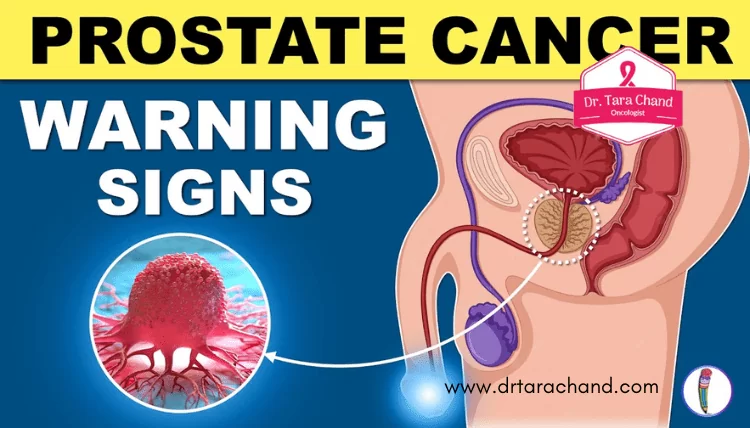
What are the top 10 signs of Prostate Cancer?
10 Signs of Prostate Cancer: Prostate cancer is a significant health concern affecting millions of men worldwide. It is the second most common cancer among men and the fifth leading cause of cancer-related deaths globally. Timely detection and treatment are crucial for improving outcomes and enhancing the quality of life for those affected. Recognizing the early signs and symptoms of prostate cancer plays a vital role in identifying potential risks and seeking appropriate medical attention.
In this informative discussion, we delve into the top 10 signs of prostate cancer, aiming to shed light on the key indicators that men and their loved ones should be aware of. Keep on reading till the end to know about all these in detail!
10 Signs of Prostate Cancer:
The signs to look out for include:
1. Urinary Changes:
One of the most common early signs of prostate cancer is urinary changes. This can include increased frequency of urination, especially during the night (nocturia). Men may also experience weak or interrupted urine flow, difficulty starting or stopping urination, or a sense of incomplete bladder emptying.
2. Blood in Urine or Semen:
The presence of blood in the urine (hematuria) or semen (hematospermia) may indicate the presence of prostate cancer. Although these symptoms can be caused by other conditions, it is important to consult a healthcare professional to determine the underlying cause.
3. Erectile Dysfunction:
Prostate cancer can affect erectile function. While erectile dysfunction can stem from various causes, such as psychological factors or other health conditions, persistent difficulties in achieving or maintaining an erection may warrant further investigation.
4. Pain or Discomfort:
Some men with prostate cancer may experience pain or discomfort in the pelvic area, lower back, hips, or upper thighs. This pain can be dull, persistent, or intermittent. It is essential to note that these symptoms can also be indicative of other conditions, so a thorough evaluation is necessary.
5. Difficulty in Ejaculation:
Prostate cancer can affect the normal ejaculation process. Men may experience pain during ejaculation, reduced fluid during ejaculation, or difficulty in achieving orgasm.
6. Swelling or Lumps:
In advanced stages of prostate cancer, the prostate gland may enlarge and cause swelling. This can lead to a noticeable lump or enlargement of the prostate, which can be felt during a digital rectal examination (DRE).
7. Bone Pain:
As prostate cancer progresses, it can spread to the bones, resulting in bone pain. This pain is typically felt in the back, hips, or other areas of the body. Bone pain may worsen at night and can be accompanied by fractures or other skeletal abnormalities.
8. Weight Loss:
Unexplained weight loss can be a sign of various cancers, including prostate cancer. If a person experiences significant weight loss without intending to do so, it is advisable to seek medical attention.
9. Fatigue and Weakness:
Prostate cancer can cause a general feeling of fatigue and weakness, even after getting adequate rest. Persistent fatigue that hampers daily activities should be evaluated by a healthcare professional.
10. Changes in Bowel Habits:
In some cases, prostate cancer can affect bowel habits, leading to changes in bowel movements such as constipation or diarrhea. However, these changes can also be caused by other factors, so it is important to consider them in conjunction with other symptoms.
It is important to remember that these signs and symptoms can be caused by conditions other than prostate cancer. However, if any of these symptoms persist or cause concern, it is crucial to consult a healthcare professional for proper evaluation and diagnosis. Regular check-ups and screenings are also essential, especially for individuals at higher risk, such as those with a family history of prostate cancer or advanced age.
Reach Dr. Tarachand Gupta for Prostate Cancer Treatment!
If you’re seeking advanced and comprehensive prostate cancer treatment in Jaipur, look no further than Dr. Tarachand Gupta. With years of experience and expertise in the field, Dr. Tarachand Gupta (Medical Oncologist in Jaipur) is renowned for his compassionate care and commitment to patient well-being. Utilizing the latest advancements in medical technology and treatment approaches, he offers personalized and effective solutions for prostate cancer. Don’t delay in reaching out to Dr. Tarachand Gupta for exceptional care and support on your journey toward recovery.
FAQ: 10 Signs of Prostate Cancer
1. What lifestyle changes can help lower the risk of prostate cancer?
Adopting a healthy lifestyle can help reduce the risk of prostate cancer. Some key changes include maintaining a balanced diet rich in fruits, vegetables, and whole grains, engaging in regular physical activity, avoiding tobacco products, moderating alcohol consumption, and managing stress levels.
2. Are there specific dietary recommendations for men at risk of or diagnosed with prostate cancer?
While there is no guaranteed prevention method, some studies suggest that a diet low in saturated fat and red meat and high in fruits, vegetables, and healthy fats (such as those found in fish, nuts, and olive oil) may be beneficial. Additionally, consuming foods with antioxidants and certain compounds like lycopene (found in tomatoes) and green tea may also have a protective effect.
3. Can exercise play a role in managing prostate cancer?
Yes, regular exercise can be beneficial for men with prostate cancer. Engaging in physical activity can help improve overall health, boost immune function, manage weight, reduce fatigue, and alleviate some treatment side effects. It’s important to consult with healthcare professionals to determine appropriate exercise routines based on individual circumstances.
4. Is there a link between obesity and prostate cancer?
Research suggests that there may be a connection between obesity and an increased risk of aggressive prostate cancer. Maintaining a healthy weight through a balanced diet and regular exercise is crucial in reducing the risk of various health conditions, including prostate cancer.
5. How does smoking impact prostate cancer risk and outcomes?
Smoking has been associated with an increased risk of developing aggressive forms of prostate cancer and can negatively impact treatment outcomes. Quitting smoking can significantly improve overall health and reduce the risk of various diseases, including prostate cancer. Seeking professional help or utilizing smoking cessation resources is recommended for those who want to quit smoking.