



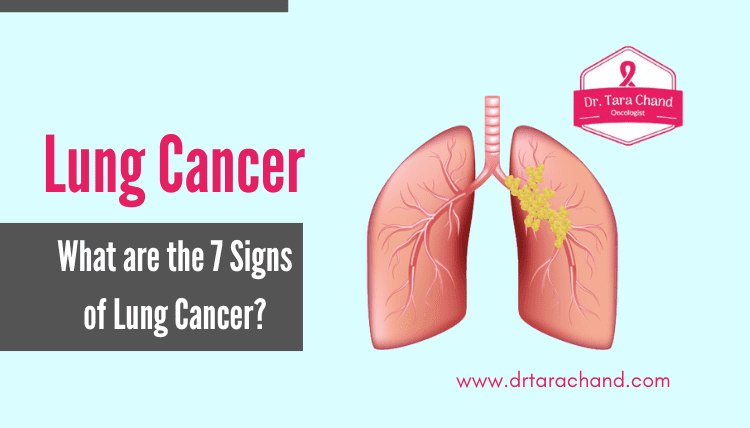
7 Signs of Lung Cancer
7 Signs of Lung Cancer: Lung cancer is a serious condition that affects millions of people worldwide. It is essential to recognize the signs and symptoms of lung cancer in its early stages to improve the chances of successful treatment. This article will discuss the seven common signs of lung cancer, providing valuable information to help individuals detect potential warning signs and seek prompt medical attention. So, what are the 7 signs of lung cancer? Let’s dive in and find out!
The 7 Signs of Lung Cancer
1. Persistent Cough:
A chronic cough that lingers for an extended period, especially if it worsens or becomes more frequent, can be a sign of lung cancer. This persistent cough may produce phlegm or blood.
2. Shortness of Breath:
Difficulty breathing or feeling breathless, even during light physical activity, can indicate a problem in the lungs. It is crucial to pay attention to any changes in your breathing pattern.
3. Chest Pain:
Persistent or recurring chest pain can be a symptom of lung cancer. The pain may be dull or sharp and might be exacerbated by coughing, laughing, or deep breathing.
4. Unexplained Weight Loss:
If you experience unexplained weight loss without changes in diet or exercise, it could be a sign of lung cancer. Losing a significant amount of weight unintentionally warrants medical attention.
5. Fatigue:
Feeling excessively tired or experiencing a lack of energy without an obvious cause can be a symptom of lung cancer. It is important not to dismiss persistent fatigue and investigate its underlying cause.
6. Hoarseness:
A noticeable change in your voice, such as persistent hoarseness or raspy speech, can be an indication of lung cancer. If your voice has changed and the hoarseness persists, it’s worth getting it checked.
7. Coughing Up Blood:
One of the most alarming signs of lung cancer is coughing up blood or blood-streaked mucus. If you notice this symptom, seek immediate medical attention.
FAQ: 7 Signs of Lung Cancer
1. What are the risk factors for developing lung cancer?
Several factors increase the risk of developing lung cancer, including smoking, exposure to secondhand smoke, exposure to certain chemicals and substances (like asbestos and radon), a family history of lung cancer, and a personal history of lung disease.
2. Can lung cancer be detected early?
Yes, early detection of lung cancer is possible through screening tests like low-dose computed tomography (LDCT) scans. These tests can help identify lung cancer in its early stages, when it is more treatable.
3. Is lung cancer only caused by smoking?
While smoking is the leading cause of lung cancer, it is not the only cause. Non-smokers can develop lung cancer due to factors such as exposure to secondhand smoke, environmental pollutants, genetic predisposition, and occupational hazards.
4. Can lung cancer be cured?
The prognosis for lung cancer depends on various factors, including the stage of cancer at diagnosis and the individual’s overall health. Early-stage lung cancer can often be treated successfully, but advanced stages may have a lower survival rate.
5. Are there any lifestyle changes that can reduce the risk of lung cancer?
Yes, adopting a healthy lifestyle can help reduce the risk of developing lung cancer. Avoiding tobacco products, limiting exposure to environmental toxins, maintaining a balanced diet, and exercising regularly can contribute to overall lung health.
6. Are there any new advancements in lung cancer treatment?
Yes, there have been significant advancements in lung cancer treatment in recent years. These include targeted therapies, immunotherapies, and precision medicine approaches that offer more personalized treatment options for patients.
Advanced Treatment Options and Conclusion
Thanks to ongoing research and advancements in medical science, there are several innovative treatment options available for lung cancer. These treatments aim to improve patient outcomes and enhance their quality of life. Some of the advanced treatment options include:
Targeted Therapies: Targeted therapies are medications that specifically target certain genetic mutations or proteins present in cancer cells. These therapies help inhibit the growth and spread of cancer cells while minimizing damage to healthy cells.
Immunotherapy: Immunotherapy is a groundbreaking treatment that harnesses the power of the immune system to fight cancer. It uses drugs that stimulate the body’s immune response to identify and destroy cancer cells.
Radiation Therapy: Radiation therapy uses high-energy beams to kill cancer cells and shrink tumors. It can be administered externally or internally, depending on the location and stage of the cancer.
Surgery: Surgical intervention may be an option for certain cases of lung cancer. The surgeon removes the tumor and surrounding tissue to prevent the cancer from spreading further.
Chemotherapy: Chemotherapy involves the use of powerful drugs to kill cancer cells throughout the body. It can be administered orally or intravenously and may be used in combination with other treatments.
Choose Dr. Tarachand Gupta (Best Medical Oncologist in Jaipur)
Dr. Tarachand Gupta is a highly esteemed medical oncologist in Jaipur, known for his expertise in treating lung cancer. With years of experience and a dedicated approach to patient care, Dr. Gupta is regarded as one of the best in his field.
If you or a loved one is seeking treatment for lung cancer in Jaipur, Dr. Tarachand Gupta can provide comprehensive and personalized care. He stays up-to-date with the latest advancements in oncology and employs evidence-based treatment strategies to ensure the best possible outcomes for his patients.
In conclusion, being aware of the seven signs of lung cancer is crucial for early detection and better treatment outcomes. If you experience any of the mentioned symptoms, it is essential to consult a healthcare professional promptly. Remember, early diagnosis greatly improves the chances of successful treatment and improved prognosis. Additionally, adopting a healthy lifestyle, avoiding tobacco, and reducing exposure to environmental toxins can significantly reduce the risk of developing lung cancer.
By staying informed and proactive, we can prioritize our lung health and make well-informed decisions regarding our well-being. Regular check-ups, screenings, and leading a healthy lifestyle are key elements in the prevention and early detection of lung cancer. If you suspect any symptoms or have concerns, don’t hesitate to reach out to your healthcare provider.
Remember, early detection saves lives!