



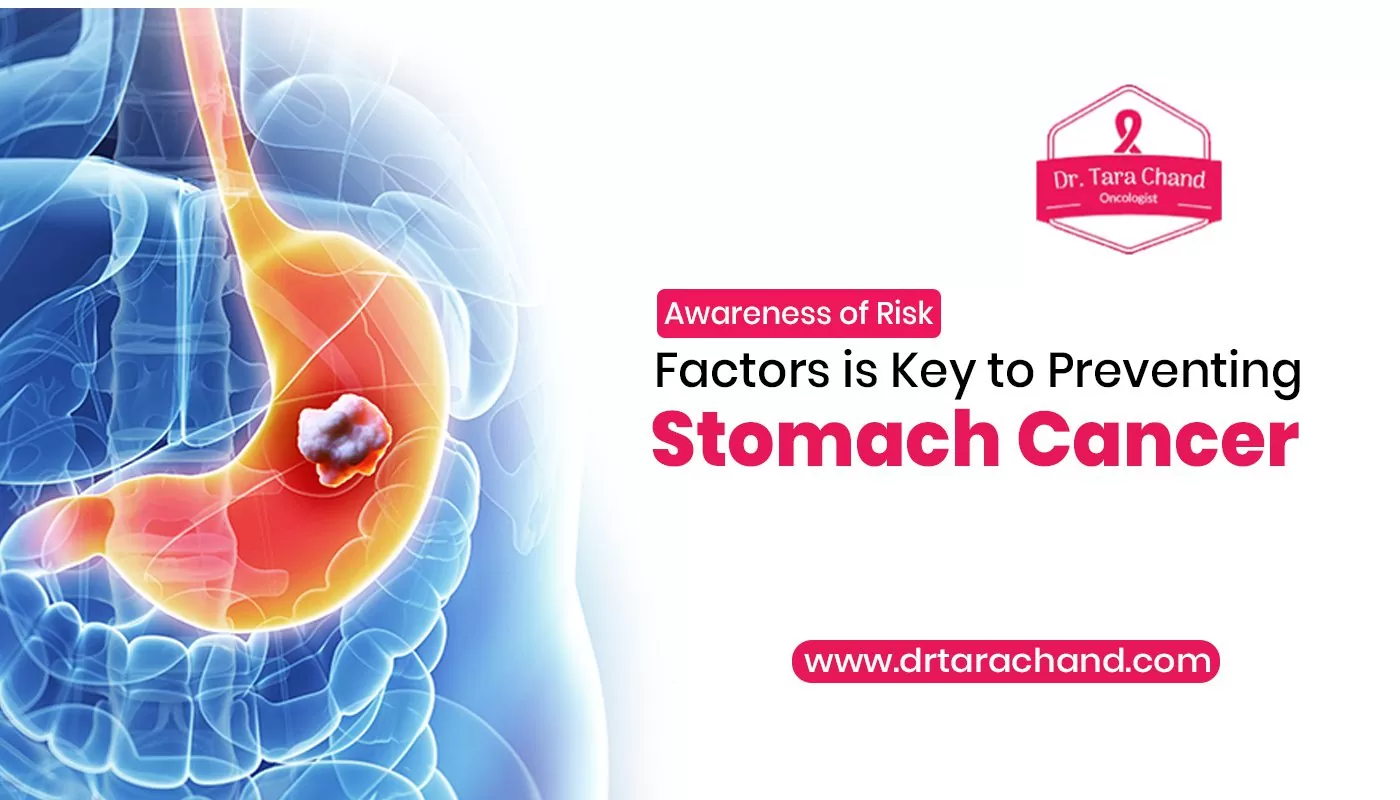
Awareness of Risk Factors is Key to Preventing Stomach Cancer!
Risk Factors is Key to Preventing Stomach Cancer: Stomach cancer is a serious health concern that can impact anyone. By being aware of the factors that increase the risk of developing stomach cancer, we can take important steps to prevent its occurrence. In this article we will highlight these risk factors, empowering you with knowledge to make informed choices about your lifestyle and health. By understanding these risks, you can take proactive measures to reduce the likelihood of stomach cancer and lead a healthier life. Keep on reading till the end to know about all of this in detail!
Risk factors to know:
Here we will explore about the risk factors that a person must be aware of. These are as follows:
Helicobacter Pylori Infection:
Helicobacter pylori is a bacterium that can cause chronic inflammation in the stomach lining, increasing the risk of stomach cancer. Preventing or treating H. pylori infection through antibiotics and lifestyle changes can help mitigate this risk.
Dietary Factors:
Consuming a diet high in salty, smoked, or pickled foods, as well as low in fruits and vegetables, can contribute to stomach cancer risk. A diet rich in fruits, vegetables, whole grains, and lean proteins can help lower this risk.
Tobacco and Alcohol Consumption:
Regular tobacco use and excessive alcohol consumption have been linked to an increased risk of stomach cancer. Quitting smoking and limiting alcohol intake can substantially reduce this risk.
Obesity and Physical Inactivity:
Being overweight or obese and leading a sedentary lifestyle are associated with a higher likelihood of developing stomach cancer. Maintaining a healthy weight through regular exercise and a balanced diet can be instrumental in prevention.
Gastroesophageal Reflux Disease (GERD):
Chronic acid reflux can lead to changes in the stomach lining that may increase the risk of stomach cancer. Managing GERD through lifestyle modifications and medications can help lower this risk.
Pernicious Anemia and Stomach Surgery:
Conditions like pernicious anemia and prior stomach surgery can reduce the stomach’s ability to absorb certain nutrients, potentially raising the risk of stomach cancer. Treating underlying conditions and managing nutritional needs can be important in prevention.
Environmental Factors:
Exposure to certain chemicals, such as asbestos and coal dust, has been linked to an elevated risk of stomach cancer. Minimizing exposure to these substances in the workplace and environment can help reduce this risk.
Family History of Stomach Cancer:
Individuals with a family history of stomach cancer are at a higher risk themselves. Regular screenings and consultations with healthcare providers can aid in early detection and risk management.
Blood Type:
Some studies suggest that certain blood types may be associated with a higher risk of stomach cancer. While this factor cannot be changed, individuals with higher-risk blood types can focus on other preventative measures.
Regular Screening and Health Check-ups:
Regular medical check-ups and screenings, especially for those with known risk factors, can aid in early detection and timely intervention, improving the chances of successful treatment and reducing mortality.
Get treatment form Dr. Tara Chand Gupta best Medical Oncologist in Jaipur!
Seek top-notch medical care from the renowned Dr. Tara Chand Gupta, a distinguished Medical Oncologist in Jaipur. With a proven track record of expertise and compassionate patient-centered care, he stands as a pillar of excellence in the field. His deep understanding of oncology, coupled with the latest advancements in medical science, ensures that each patient receives personalized and cutting-edge treatment.
Entrust your journey to recovery to him and his dedicated team, where comprehensive care and unwavering support are paramount. Your health is in capable hands with Dr. Tara Chand Gupta, a true leader in the realm of Medical Oncology in Jaipur.
FAQ:
What should I eat after stomach cancer treatment?
Focus on a balanced diet with plenty of fruits, vegetables, lean proteins, and whole grains. Consult a dietitian for personalized guidance.
How can I manage digestion issues post-treatment?
Eat small, frequent meals. Avoid greasy, spicy, or fatty foods. Consider digestive enzymes or medications recommended by your doctor.
Are there exercises I can do after stomach cancer treatment?
Engage in gentle exercises like walking, stretching, and yoga. Consult your healthcare provider before starting any new exercise routine.
How can I cope with emotional challenges after treatment?
Stay connected with loved ones, consider joining support groups, practice relaxation techniques like deep breathing or meditation, and seek professional counseling if needed.
What follow-up appointments are important after stomach cancer treatment?
Regularly attend scheduled check-ups with your oncologist. These visits help monitor your health, detect any potential issues early, and plan necessary follow-up treatments.