

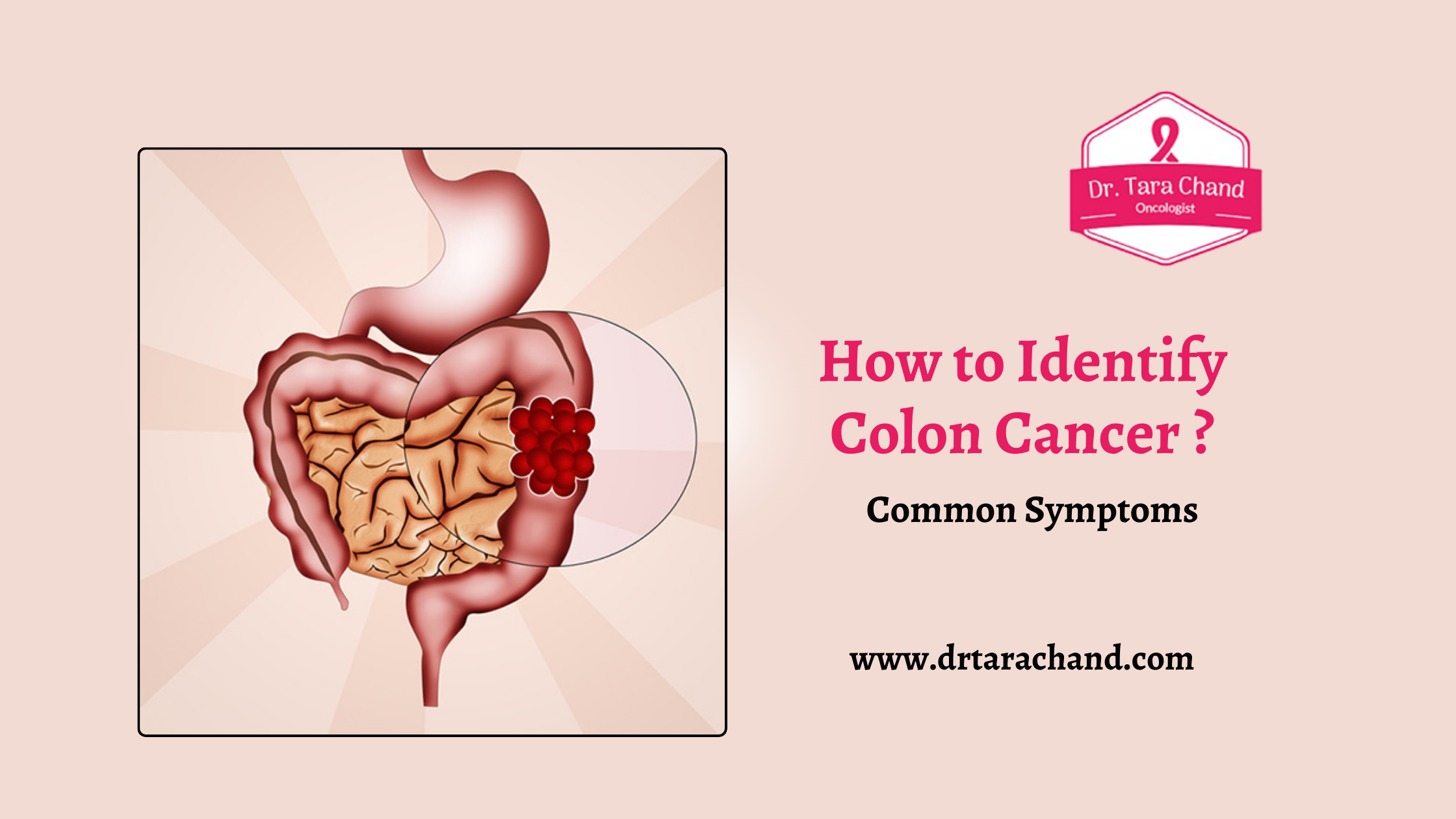
How to Identify Colon Cancer – Common Symptoms
Colon cancer, also known as colorectal cancer, is one of the most prevalent types of cancer worldwide. Early detection is crucial for effective treatment and improved outcomes. Understanding the common symptoms of colon cancer can help you take timely action and seek professional medical advice.
This blog will guide you through the key symptoms of colon cancer and emphasize the importance of early diagnosis.
What is Colon Cancer?
Colon cancer begins in the large intestine (colon) or rectum and typically starts as small, non-cancerous clumps of cells called polyps. Over time, some of these polyps can become cancerous. The exact cause of colon cancer is not fully understood, but certain factors such as age, family history, and lifestyle choices can increase the risk.
Also Read:
How to Identify Colon Cancer – Common Symptoms
Recognizing the symptoms of colon cancer early can significantly impact treatment success. Here are some common signs to watch out for:
1. Changes in Bowel Habits
One of the most noticeable symptoms of colon cancer is a change in bowel habits. This may include:
- Persistent Diarrhea or Constipation: A sudden and unexplained change in your bowel movements, such as diarrhea or constipation, lasting more than a few days, can be a warning sign.
- Narrowing of the Stool: Stools that become thinner than usual may indicate an obstruction or narrowing in the colon.
- Increased Frequency: If you find yourself needing to go to the bathroom more frequently, especially with little relief, it could be a symptom.
2. Abdominal Pain and Cramping
Frequent and unexplained abdominal pain or cramping can be a sign of colon cancer. The pain might be persistent and can vary in intensity. It’s important to note whether the pain is localized or spread across the abdomen.
3. Blood in Stool
Seeing blood in your stool or having a stool that is black and tarry can be alarming. Blood in the stool may appear as bright red or dark maroon, indicating bleeding in the lower part of the colon or rectum. If you notice any blood, it’s essential to consult a healthcare professional.
4. Unexplained Weight Loss
Significant and unexplained weight loss without changes in diet or exercise can be a symptom of colon cancer. Weight loss occurs as the body fights the cancer or due to malabsorption of nutrients.
5. Fatigue and Weakness
Colon cancer can lead to anemia, which in turn causes persistent fatigue and weakness. If you feel unusually tired despite adequate rest and a balanced diet, it could be due to underlying cancer.
6. Feeling of Incomplete Bowel Movement
A sensation that you haven’t fully emptied your bowels, even after a bowel movement, is a common symptom of colon cancer. This feeling of incomplete evacuation can be accompanied by straining during bowel movements.
7. Vomiting
In some cases, colon cancer can lead to nausea and vomiting, particularly if there is a blockage in the colon. Vomiting associated with abdominal pain should be evaluated by a healthcare provider.
Risk Factors for Colon Cancer
While recognizing symptoms is crucial, understanding the risk factors for colon cancer can also help in early detection:
- Age: The risk increases after age 50, though younger individuals can also be affected.
- Family History: A family history of colon cancer or polyps can increase your risk.
- Lifestyle Factors: Smoking, excessive alcohol consumption, and a diet high in red or processed meats may contribute to the risk.
- Personal Health History: Individuals with inflammatory bowel diseases such as Crohn’s disease or ulcerative colitis are at higher risk.
When to See a Cancer Doctor?
If you experience any of the symptoms mentioned above, it’s essential to consult a healthcare professional. Early diagnosis through screening can significantly improve treatment outcomes. If you are concerned about your symptoms or have a family history of colon cancer, schedule an appointment for screening.
Also Read:
Colon Cancer Screening
Routine screening is recommended for individuals over the age of 45 or those with a higher risk of colon cancer. Common screening methods include:
- Colonoscopy: A procedure where a flexible tube with a camera is used to view the inside of the colon and rectum.
- Fecal Occult Blood Test (FOBT): A test to check for hidden blood in the stool.
- Flexible Sigmoidoscopy: Similar to a colonoscopy but only examines the rectum and lower part of the colon.
Get Expert Colon Cancer Treatment by Dr. Tarachand Gupta (Cancer Doctor in Jaipur)
If you suspect you have symptoms of colon cancer or need a consultation for screening, Dr. Tarachand Gupta, a highly experienced Medical Oncologist in Jaipur, is here to help. Dr. Gupta specializes in the diagnosis and treatment of various cancers, including colon cancer. With his expertise, you can receive personalized care and advanced treatment options.
Contact Dr. Tarachand Gupta for Colon Cancer Treatment:
Hospital: Bhagwan Mahaveer Hospital & Research Center
Timing: 9 AM to 5 PM
Phone Numbers: +91-9819081403, +91-8905900665
Email: tarachandg@gmail.com
Conclusion: How to Identify Colon Cancer – Common Symptoms
Recognizing the symptoms of colon cancer and understanding the risk factors can lead to earlier diagnosis and better treatment outcomes. If you experience any of the symptoms mentioned, consult a healthcare professional promptly. For expert care and treatment, contact Dr. Tarachand Gupta at Bhagwan Mahaveer Hospital & Research Center. Early intervention is key to managing colon cancer effectively and improving quality of life.
By staying informed and proactive about your health, you can take important steps toward preventing and treating colon cancer.
