



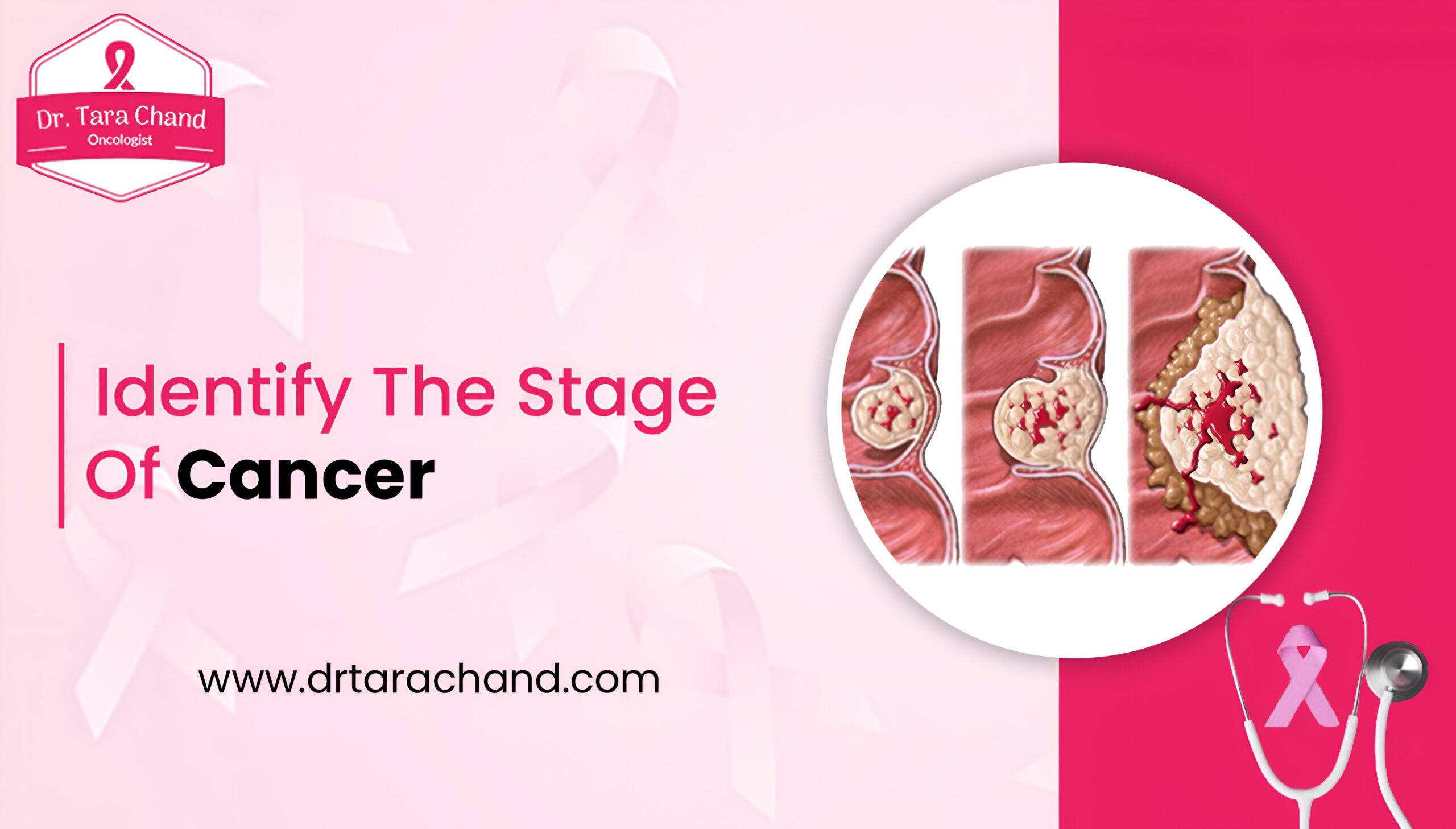
Identify the Stage of Cancer
Introduction:
Cancer, a disease marked by uncontrolled cell growth, is often overwhelming for patients and their families. The treatment and prognosis largely depend on the stage of cancer at the time of diagnosis. Accurately identifying the stage of cancer is essential for formulating an effective treatment plan. Understanding the stage helps both patients and healthcare providers know how far the cancer has spread, its severity, and the best options for treatment. In this article, we will explore the stages of cancer, the methods used for staging, and the importance of timely intervention.
What is Cancer Staging?
Cancer staging refers to the process of determining the extent of cancer in a patient’s body. It provides essential information on the size of the tumor, its location, and whether it has spread to nearby or distant tissues and organs. Identifying the stage is crucial for planning cancer treatment in Jaipur or anywhere else, as different stages require different therapeutic approaches.
Staging is done through a combination of diagnostic tools, including physical exams, imaging studies, and laboratory tests. In some cases, biopsy results are also essential in determining the exact stage of the cancer.
Importance of Cancer Staging
Understanding the stage of cancer plays a pivotal role in the treatment process. It offers multiple benefits:
- Customized Treatment Plan: The stage determines the treatment approach, whether it’s surgery, radiation, chemotherapy, or targeted therapy.
- Prognosis Estimation: Staging helps predict the patient’s outlook or survival rate. Early-stage cancers typically have a higher chance of being treated successfully.
- Comparing Outcomes: Staging allows doctors to compare the results of various treatment methods across patients with similar cancer stages, improving medical knowledge and future care.
- Clinical Trials: Many clinical trials for new treatments are available only for patients with specific cancer stages.
The TNM System: A Common Staging Method
The most widely used system to stage cancer is the TNM system, which stands for Tumor, Nodes, and Metastasis. This system is used to describe the size and extent of the primary tumor (T), whether the cancer has spread to the lymph nodes (N), and whether it has metastasized to other parts of the body (M).
- Tumor (T): This component describes the size of the primary tumor and whether it has invaded nearby tissues.
- T0: No tumor present.
- T1-T4: Indicates increasing size and extent of the tumor.
- Nodes (N): This represents whether the cancer has spread to nearby lymph nodes.
- N0: No cancer in the nearby lymph nodes.
- N1-N3: Indicates the extent of lymph node involvement, with higher numbers showing more spread.
- Metastasis (M): This describes whether the cancer has spread to distant parts of the body.
- M0: No distant metastasis.
- M1: Cancer has spread to distant organs or tissues.
The TNM classification provides detailed information on the cancer’s progression and helps the doctor select the most appropriate treatment options.
The Stages of Cancer
Cancer is typically classified into five stages: Stage 0, Stage I, Stage II, Stage III, and Stage IV. These stages are determined by the TNM system, but simplified to make it easier for patients and doctors to understand the severity of the disease.
- Stage 0 (In situ): This is the earliest stage where abnormal cells are found only in the place they started. The cells have not yet invaded neighboring tissues. Treatment at this stage usually involves removing the tumor, and the outlook is highly positive.
- Stage I (Early stage): Cancer is small and has not grown deeply into nearby tissues. It also hasn’t spread to lymph nodes or other areas of the body. Treatment typically involves surgery, sometimes combined with radiation therapy.
- Stage II (Localized): In this stage, the cancer is larger than in Stage I but still hasn’t spread to distant parts of the body. It may have spread to nearby lymph nodes. Depending on the cancer type, surgery, chemotherapy, and radiation may be recommended.
- Stage III (Regional Spread): At this stage, cancer has grown significantly and may have spread to nearby tissues and lymph nodes but not to distant organs. Treatment options may include surgery, radiation, chemotherapy, and newer therapies like immunotherapy. This stage requires more aggressive treatment compared to earlier stages.
- Stage IV (Advanced or Metastatic): In the most advanced stage, cancer has spread to distant parts of the body, such as the liver, lungs, or bones. This stage is often considered incurable, but treatments like chemotherapy, targeted therapy, immunotherapy, or palliative care can help manage symptoms and improve quality of life.
How Is Cancer Staged?
Several diagnostic methods are used to stage cancer accurately:
- Physical Examination: Doctors may be able to feel the tumor or find abnormalities during a routine physical exam.
- Imaging Tests: Techniques such as X-rays, CT scans, MRIs, PET scans, and ultrasounds help locate the tumor and see if it has spread to other areas.
- Biopsy: A biopsy involves removing a small sample of tissue from the tumor to examine it under a microscope. This confirms the diagnosis of cancer and helps in staging.
- Blood Tests: Certain cancers release substances known as tumor markers into the blood. Blood tests can detect these markers, giving an idea of how advanced the cancer is.
- Endoscopic Procedures: For cancers in the digestive tract or lungs, doctors may use a scope with a camera to examine the inside of the body and collect tissue samples for staging.
The Role of Treatment in Different Cancer Stages
- Early-Stage Cancers (Stage 0 and I): These are often treated with surgery to remove the tumor. In some cases, radiation therapy or chemotherapy may be used to ensure all cancerous cells are destroyed. With early intervention, patients have a high chance of full recovery.
- Localized Cancers (Stage II): Depending on the type and location of the cancer, surgery may still be the primary treatment. However, chemotherapy or radiation may be added to kill any remaining cancer cells. In some cases, targeted therapies are introduced to focus on specific mutations in cancer cells.
- Regional Spread (Stage III): Surgery, chemotherapy, and radiation therapy are often combined to control cancer spread. Some newer treatment options, such as immunotherapy, can help boost the body’s immune system to fight cancer.
- Metastatic Cancers (Stage IV): While this stage is not typically curable, various treatments like chemotherapy, targeted therapy, and immunotherapy can help manage symptoms and prolong life. Patients with advanced cancer may also explore clinical trials for experimental therapies.
Dr. Tara Chand Gupta: The Best Cancer Doctor in Jaipur
When it comes to expert cancer care in Jaipur, Dr. Tara Chand Gupta stands out as one of the leading oncology specialists in the region. With years of experience in diagnosing and treating various types of cancers, Dr. Gupta is known for his personalized approach to each patient’s needs.
His expertise covers a wide range of treatments, including chemotherapy, immunotherapy, and targeted therapy, ensuring that every patient receives the most effective care based on the stage and type of their cancer. His commitment to staying updated with the latest advancements in oncology allows him to offer state-of-the-art cancer treatment in Jaipur.
FAQ:
Q. How is cancer staged?
A. Cancer is staged using the TNM system, which assesses the size of the tumor (T), lymph node involvement (N), and metastasis (M). These factors help determine whether the cancer is localized or has spread to other parts of the body.
Q. Can Stage 4 cancer be treated?
A. While Stage 4 cancer is often considered advanced and difficult to cure, treatments like chemotherapy, immunotherapy, and palliative care can help manage symptoms, slow progression, and improve the quality of life.
Q. What are the most common methods to diagnose cancer?
A. Common diagnostic methods include imaging tests like CT scans and MRIs, biopsies, blood tests, and endoscopic examinations, which help confirm the presence and stage of cancer.
Q. Is surgery always necessary in cancer treatment?
A. Not always. Surgery is often used in early-stage cancers, but other treatments like chemotherapy, radiation, and targeted therapy can be effective depending on the cancer type and stage.
Q. How quickly should cancer treatment begin after diagnosis?
A. Treatment should ideally begin as soon as possible after diagnosis to prevent the cancer from advancing. However, the exact timing depends on the cancer type, stage, and treatment plan recommended by your doctor.