



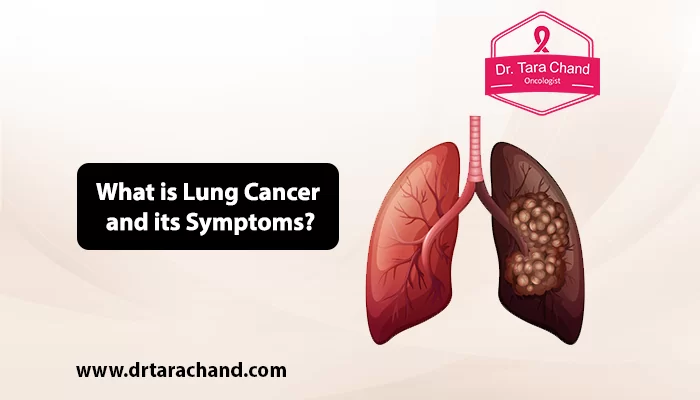
What is Lung Cancer and its Symptoms in 2022?
Lungs are the spongy organs in the chest that takes in oxygen when a person inhales and release carbon dioxide when they exhale. But due to cancer, they face difficulty in maintaining this simultaneous procedure as well. It is being one of the common causes of cancer death worldwide. In the initial stages of lung cancer, there are no noticeable symptoms, but when the cancer cell starts to multiply, the symptoms will be visible, and there is a need to approach an oncologist as soon as possible
Stages of Lung Cancer:
Lung cancer is divided into three stages and it including localized, regional, and distant.
Localized:
It is the condition when cancer cells are confined to the lungs only and have not spread to any other nearby organ.
Regional:
Regional is the condition when cancer cells spread to lymph nodes within the chest.
Distant:
When the cancer cells have metastasized and spread to other parts of the body.
Types of Lung cancer
The types of lung cancer that happen in men and women are:-
- Adenocarcinoma cancer appears in the periphery of the lung and the size and growth rate are different in individuals.
- Squamous cell carcinoma is the condition when cancer cell starts in the larger breathing tube near the center of the chest and these are quite large.
- Larger carcinoma starts from the periphery of the lung and grows rapidly.
Common Symptoms of lung cancer
When you lookout for a medical oncologist it is also important to know about the common symptoms of lung cancer. This includes:-
- Shortness of breath
- Loss of appetite
- Feeling tired or weak
- Unexplained weight loss
- New onset of wheezing
- Incurable bronchitis and pneumonia
- Cough that doesn’t go away
- Chest pain while deep breathing, laughing, or coughing
- Coughing up blood or rust-colored sputum
- Constant headache
- Bone pain
- Hoarseness
Symptoms to note when lung cancer spread to other parts of the body are:-
- Yellowing of the skin and eyes indicates that it is spread to the liver
- Constant bone pain especially in the back or hips
- Nervous system changes like weakness or numbness of arm or leg, headache, balance problem, or seizure which indicates that cancer cells start growing in the brain
- Swollen lymph nodes in the neck or above the collar bones.
Note: Some lung cancers turned out to be syndromes and this comes up with specific symptoms. Let’s discuss!
Superior vena cava syndrome:
Superior vena cava syndrome is also common in people suffering from lung cancer. It is the large ones responsible for carrying blood from the head and arms to the heart. It is right there next to the right lung and lymph node inside the chest. Due to cancer cell growth, the blood backs up in the veins, and swelling on the face, neck, and arms takes place. It leads to changes in consciousness headaches and dizziness. With time, the symptoms gradually develop.
Lumps:
Lump formation will also be there in the advanced stage when cancer cells start to spread throughout the lymph nodes. The lumps can be noticed around the skin surface.
Horner syndrome:
Horner syndrome is the cancer of the upper part of the lungs called Pancoast tumors syndromes. These are non-small cell lung cancer as compared to small cell lung cancer. This affects certain nerves of the eyes, part of the face and causes different symptoms. The symptoms to notice are:-
- No sweating on one side of the face
- Smaller pupil in one eye
- Drooping or weakness of one upper eyelid.
Paraneoplastic syndrome:
Paraneoplastic syndrome is the condition in which lung cancers make hormones like substances that takes place and the bloodstream. It causes problems with the distant organs and tissues. In most cases, these appear to be the first symptom of lung cancer due to their effect on other organs.
Nervous system problems:
Nervous system problems will also take place with people suffering from lung cancer. They majorly have encounters with muscle disorder known as Lambert Eaton syndrome. In this condition the muscles around the hips become weak. It is the first sign to notice.
Small cell lung cancer symptoms:
Common symptoms of lung cancer are there that have a direct link with small cell lung cancer. These symptoms are not visible until cancer progressed. The symptoms to notice include:-
- Persistent cough
- Unexplained loss of appetite
- Weight loss
- Feeling weak and tired
- Bronchitis
- Pneumonia
- Coughing up blood
- Facial swelling
Symptoms of advanced lung cancer:
- Fatigue
- Loss of appetite
- Breathing difficulties
- Pain
Something more to know about lung cancer:
When you look out for signs and symptoms of lung cancer these are entirely different in men and women. But some common facts are as follows:-
- Women are at a higher risk to develop NSCLC as compared to men.
- Males are majorly diagnosed with squamous cell carcinoma than females.
- Women are majorly diagnosed with adenocarcinoma as compared to males.
- Chemotherapy treatments are responsible in the case of women as compared to men.
- Women with lung cancer live longer than men.
When to See a doctor?
While experiencing any symptom linked with lung cancer don’t forget to approach the doctor. If you are in Rajasthan you are fortunate because Dr. Tarachand Gupta is the best medical oncologist in Jaipur has years of experience in treating people suffering from lung cancer. You can approach him and discuss the symptoms so that he can send you for easy screening and get an idea about your condition to start up with the best treatment.
Most Asked Questions
-
Is lung cancer a hereditary problem?
Lung cancer is an abnormal growth of cells in the air sacs of the lungs. It can also grow in other parts of the body.
Lung cancer is not a hereditary disease, but there are certain factors that can increase your risk of developing it. Some people smoke and do not quit smoking, even if they know it’s bad for their health.
-
What are the risk factors for developing lung cancer?
The risks of developing lung cancer are dependent on factors such as age, gender, smoking habits, other health problems, and other factors.
-
What are the different types of lung cancer?
Here are some of the most common types: small-cell lung carcinoma, non-small cell lung carcinoma, adenocarcinoma, squamous cell carcinoma, large-cell undifferentiated carcinoma, and pleomorphic adenocarcinomas.
-
What is the leading cause of lung cancer?
The leading cause of lung cancer is smoking tobacco products.