



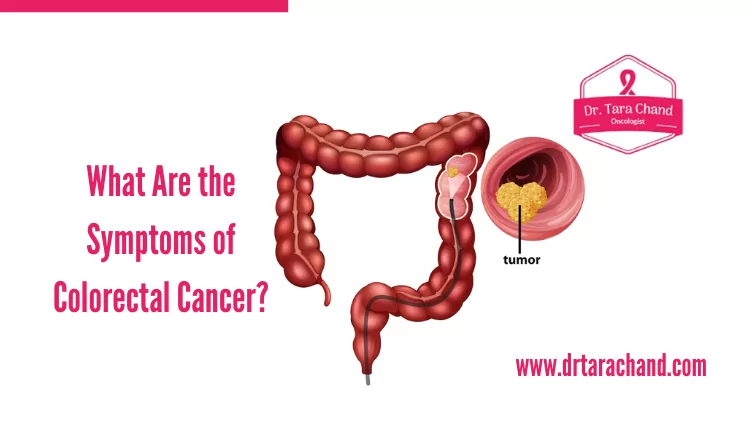
What Are the Symptoms of Colorectal Cancer?
Symptoms of Colorectal Cancer: Colorectal cancer, also known as bowel cancer, is a type of cancer that begins in the colon or rectum. This type of cancer often begins as a small growth, called a polyp, on the inner lining of the colon or rectum. Over time, some polyps can become cancerous if they are not detected and removed. Colorectal cancer is the third most common cancer diagnosed in both men and women in the United States. Early detection and treatment of colorectal cancer can improve the chances of survival. This article discusses the symptoms of colorectal cancer, which can help you identify the disease early and seek medical attention.
What are the Risk Factors for Colorectal Cancer?
Before discussing the symptoms of colorectal cancer, it is important to understand the risk factors for the disease. These include:
- Age: Colorectal cancer is more common in people over the age of 50.
- Family history: A family history of colorectal cancer or polyps increases your risk.
- Personal history: If you have had colorectal cancer in the past, you are at a higher risk of developing it again.
- Inflammatory bowel disease: Chronic inflammatory bowel diseases, such as ulcerative colitis and Crohn’s disease, increase your risk.
- Genetic mutations: Certain genetic mutations, such as Lynch syndrome, increase your risk.
What are the Symptoms of Colorectal Cancer?
Colorectal cancer often does not cause symptoms in its early stages. However, as cancer grows, it can cause a variety of symptoms, including:
1. Changes in bowel movements
- Diarrhea or constipation that lasts for more than a few days
- Feeling that the bowel does not empty completely
- Narrower than usual stools
2. Blood in the stool
- Bright red or very dark blood in the stool
- Stool that looks black and tar-like
3. Abdominal discomfort
- Cramping or pain in the abdomen
- Bloating or feeling full
4. Weakness and fatigue
- Feeling tired or weak
- Shortness of breath
5. Unexplained weight loss
- Losing weight without trying
What Should You Do if You Have These Symptoms?
If you experience any of the symptoms listed above, it is important to speak with your doctor. While these symptoms can be caused by other conditions, such as hemorrhoids or inflammatory bowel disease, they can also be signs of colorectal cancer. Your doctor can perform tests to determine the cause of your symptoms and recommend the appropriate treatment.
Dr. Tara Chand Gupta is one of the best doctors to consider. He is among those medical oncologists in Jaipur who have had experience in this field for a very long time and are helping people deal with all the signs and symptoms happening in their bodies. Discuss with him all the changes you are experiencing so that he can move ahead with the right treatment option.
How is Colorectal Cancer Diagnosed?
If your doctor suspects that you may have colorectal cancer, they will recommend diagnostic tests, such as:
- Colonoscopy: This test allows your doctor to examine the entire colon and rectum.
- CT scan: This test can show the size and location of any tumors in the colon or rectum.
- Biopsy: This involves removing a small piece of tissue from a suspicious area and examining it under a microscope.
Conclusion: Symptoms of Colorectal Cancer
Colorectal cancer is a serious disease that can be difficult to detect in its early stages. However, if you experience any of the symptoms listed above, it is important to speak with your doctor. Early detection and treatment can improve the chances of survival.
FAQs: Symptoms of Colorectal Cancer
Q1. How common is colorectal cancer?
Colorectal cancer is the third most common cancer diagnosed in both men and women in the United States.
Q2. Can colorectal cancer be prevented?
While there is no surefire way to prevent colorectal cancer, a healthy lifestyle that includes regular exercise, a balanced diet rich in fiber, and limiting alcohol consumption and smoking can reduce your risk of developing colorectal cancer.
Q3. What age should I begin getting screened for colorectal cancer?
The American Cancer Society recommends that individuals at average risk begin regular colorectal cancer screening at age 45.
Q4. What are some other types of colorectal cancer screening tests?
Other types of colorectal cancer screening tests include stool tests, flexible sigmoidoscopy, and virtual colonoscopy.
Q5. What is the outlook for someone diagnosed with colorectal cancer?
The outlook for someone diagnosed with colorectal cancer depends on several factors, including the stage of cancer and how early it is detected. The earlier the cancer is detected and treated, the better the chances of survival.